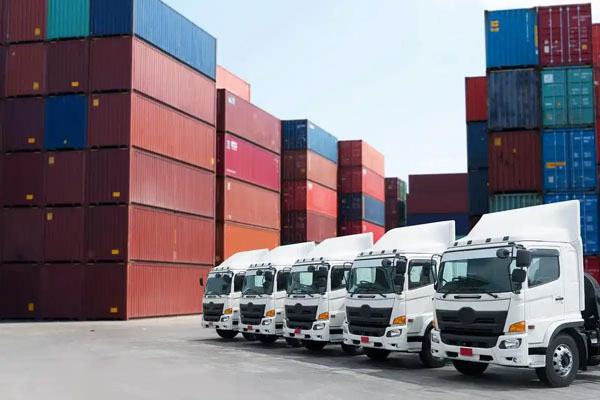
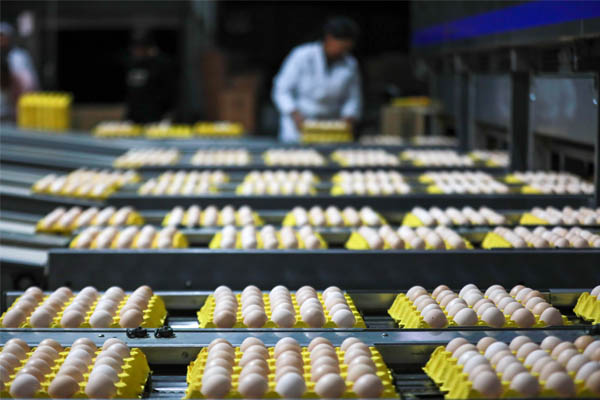
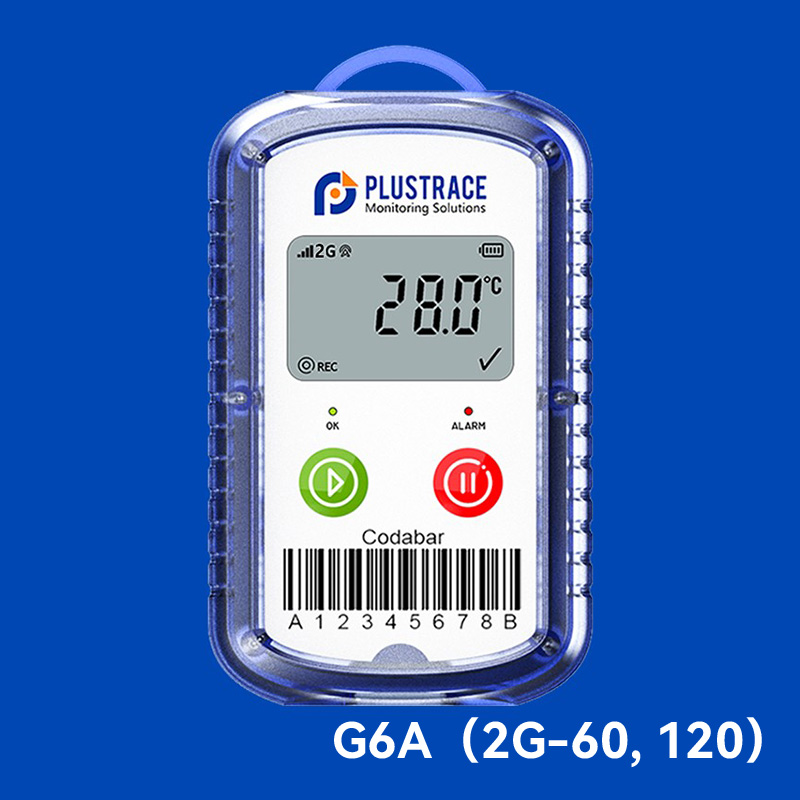
Temperature-sensitive operations across industries—from pharmaceuticals and food storage to industrial manufacturing—require precise monitoring. Traditional methods often fail to deliver timely insights, leading to costly errors and compliance risks. A real-time temperature data logger addresses these challenges by enabling continuous monitoring, instant alerts, and reliable data recording. This article explores how such devices enhance operational accuracy, improve efficiency, and solve key customer pain points.
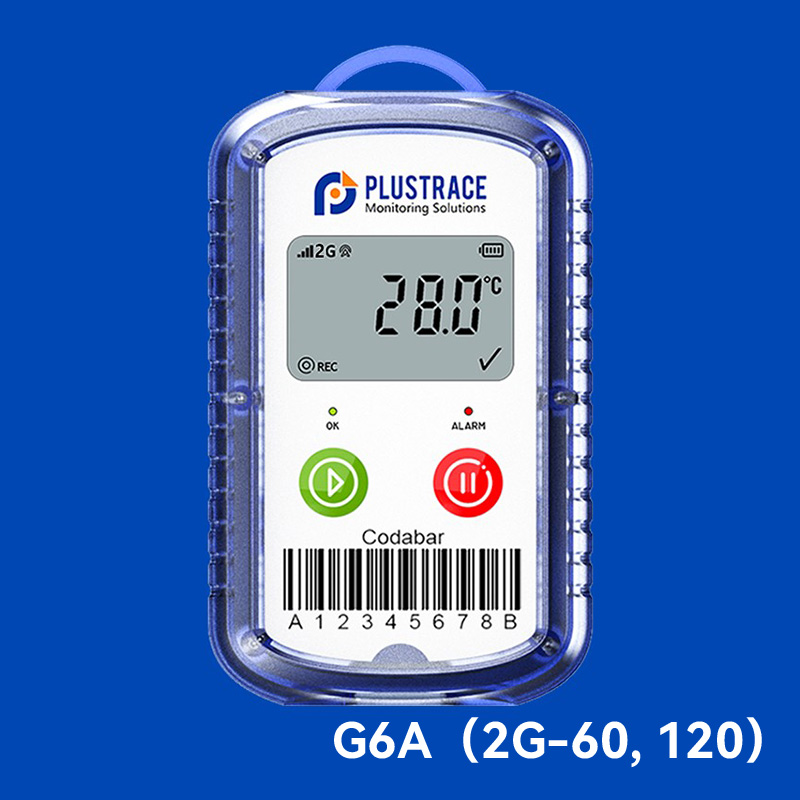
A real-time temperature data logger is an electronic device designed to automatically measure, record, and transmit temperature data at set intervals. Unlike basic thermometers, these devices provide continuous monitoring and often include wireless connectivity such as Wi-Fi, Bluetooth, or cellular networks.
Advanced models offered by companies like Plustrace Technology Co., Ltd. integrate cloud-based platforms, allowing users to access data remotely and receive alerts instantly when temperature thresholds are exceeded.
Many businesses still rely on manual checks or outdated logging systems. These approaches introduce several operational risks:
In industries like cold chain logistics or healthcare, even a minor temperature deviation can result in product spoilage or regulatory violations. This is where real-time solutions become essential rather than optional.
| Feature | Description | Benefit |
|---|---|---|
| Real-time Monitoring | Continuous temperature tracking | Immediate visibility |
| Wireless Connectivity | Wi-Fi, Bluetooth, or 4G transmission | Remote access |
| Cloud Storage | Data stored securely online | Easy reporting & compliance |
| Alarm System | Instant alerts via SMS/email | Fast response to issues |
| Long Battery Life | Extended operation without frequent replacement | Reduced maintenance |
The core advantage of a real-time temperature data logger lies in its ability to eliminate uncertainty and delays.
1. Minimizing Human Error
Automated data collection removes the need for manual recording, ensuring consistent and precise measurements.
2. Instant Alerts for Immediate Action
When temperature exceeds predefined thresholds, alerts are triggered instantly. This allows operators to take corrective actions before damage occurs.
3. Data Integrity and Traceability
All readings are logged with timestamps, providing a reliable audit trail for inspections and compliance requirements.
4. Remote Monitoring Capabilities
Users can monitor conditions from anywhere, improving operational flexibility and reducing the need for on-site supervision.
Real-time temperature data loggers are widely used across multiple sectors:
Each of these applications requires precise temperature control to maintain quality, safety, and compliance.
Selecting the appropriate data logger depends on several technical and operational factors:
| Criteria | What to Consider |
|---|---|
| Measurement Range | Ensure compatibility with your environment |
| Accuracy Level | Higher precision for sensitive applications |
| Connectivity | Choose based on infrastructure (Wi-Fi, 4G, etc.) |
| Battery Life | Longer life reduces maintenance costs |
| Compliance Standards | Meet industry-specific regulations |
Working with experienced manufacturers such as Plustrace Technology Co., Ltd. ensures access to reliable, customizable solutions tailored to your specific needs.
Q1: What is the difference between a data logger and a thermometer?
A data logger records temperature continuously and stores data, while a thermometer only provides a single reading at a specific moment.
Q2: Can I monitor data remotely?
Yes, most real-time temperature data loggers support cloud platforms for remote monitoring via smartphones or computers.
Q3: How accurate are these devices?
High-quality devices typically offer accuracy within ±0.3°C or better, depending on the model.
Q4: Are they suitable for cold chain logistics?
Absolutely. They are widely used to ensure temperature compliance during transportation and storage.
Q5: Do they require frequent maintenance?
Most devices are designed for long-term use with minimal maintenance, especially those with extended battery life.
A real-time temperature data logger is no longer just a monitoring tool—it is a critical component for ensuring product quality, regulatory compliance, and operational efficiency. By adopting advanced solutions, businesses can significantly reduce risks and improve overall performance.
If you are looking for a reliable and scalable solution, Plustrace Technology Co., Ltd. offers advanced real-time temperature monitoring systems tailored to various industries. Contact us today to discover how we can help optimize your temperature monitoring strategy and protect your valuable assets.